- Marketing
2026 Beauty Industry Trends: What’s Changing in UK Salons

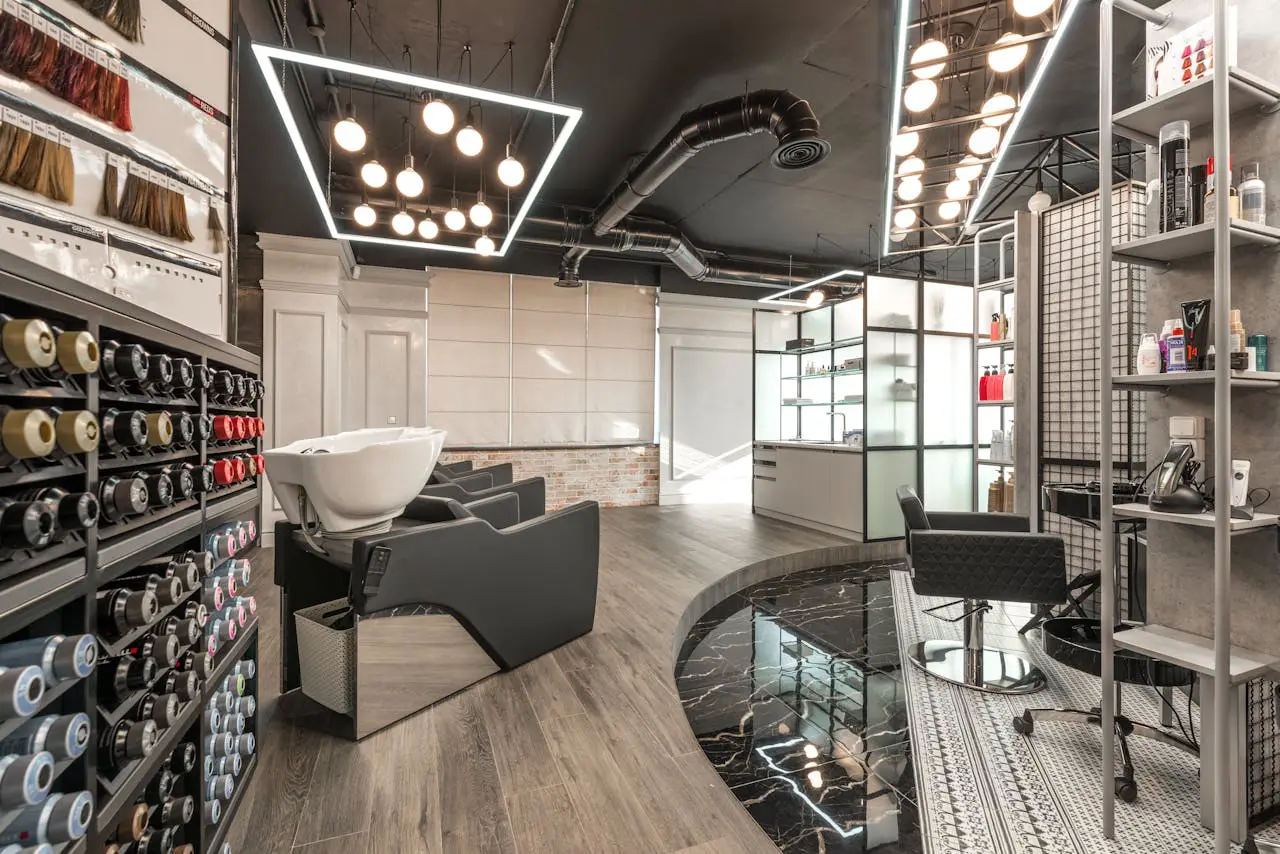
Something shifted in UK salons over the past eighteen months. Hard to put a finger on exactly when it happened, but walk into a busy independent in Birmingham or a well-run franchise in Edinburgh and you notice it straight away. The appointment moves differently. There’s more conversation before anything starts. The therapist asks about sleep. About stress. Questions that used to belong somewhere else entirely.
That’s not a coincidence or a passing phase. It’s the industry recalibrating around what clients actually want from a salon visit in 2026. And understanding that shift matters a lot if you’re running a beauty business right now.
K-Beauty in the UK: Past the Tipping Point
There was a point, maybe four or five years back, where K-beauty felt like a subculture. You either knew about it or you didn’t. The 10-step routine, the essence-before-moisturiser sequencing, the obsession with texture and translucency over coverage. Niche stuff, marketed toward a particular type of skincare enthusiast.
That’s genuinely not the case anymore.
COSRX moisturisers sit on shelves in Boots. Laneige’s lip sleeping mask became a TikTok staple before most salons had even heard of it. Beauty of Joseon has a dedicated following among women in their 50s who discovered it through their teenagers. The audience for K-beauty UK has broadened so dramatically that framing it as a specialist trend feels slightly out of date.
What this means for treatment menus is fairly direct. Clients are arriving with different vocabulary and different expectations. They know what glass skin is. They’ve seen fermented ingredient skincare on their feeds. Some of them have been doing a modified version of multi-step cleansing at home for two years already. Salons that have updated their facial protocols to reflect this are finding that client conversations are faster, more productive, and the results are easier to communicate because there’s shared language to work with.
The demographic spread of K-beauty UK keeps widening. Probably the most interesting segment right now is the over-45 client who came to it late, via a daughter or a YouTube rabbit hole, and is now genuinely committed to the methodology. They tend to spend well and rebook reliably. Worth building around if your menu hasn’t caught up yet.
AI Beauty Tech: The Version That’s Actually Useful
The AI conversation in beauty went through a fairly breathless phase. Lots of speculation. Lots of “robots will change everything” energy that didn’t land in any practical way for most salon owners.
2026 is more grounded than that. The applications that have actually taken hold are useful rather than dramatic.
Skin analysis is the obvious one. Computer vision tools that assess hydration, uneven pigmentation, early texture changes, sun damage patterns. Clinics and high-end salons started using this equipment a few years ago and the price point has come down enough that it’s no longer reserved for dermatology practices. What it does in practice is give the consultation something objective to anchor on, which changes the dynamic. Instead of a therapist giving an opinion about what they see and a client either accepting or quietly doubting it, there’s a scan. Something concrete to look at together. That shift matters for treatment uptake and for retail recommendations.
Virtual try-on has matured too. The early iterations were not convincing enough to influence actual decisions. The better current versions are. Salons using them in their booking flow report fewer cancellations, which aligns with the obvious logic: someone who has already visualised a colour result or brow shape in their own face is more anchored to the appointment than someone who’s just imagined it abstractly.
The back-end applications are quieter but add up. Systems that flag stock patterns before you run out of key treatment products. Automated rebooking messages that go out at the right interval based on treatment type rather than a blanket schedule. Pricing tools that actually track whether a service is covering costs after product and time. None of that is headline-grabbing. But salon profitability often erodes in exactly those gaps.
The Clean Beauty Movement Isn’t What It Used to Be
The first wave of clean beauty was built heavily on fear. Parabens, sulphates, mineral oils, anything with a long INCI name that sounded vaguely chemical. The messaging worked because it was simple. But it also produced a lot of products that were “free from” things while not being especially effective at much.
Clients have moved past that framing. The ones who take clean beauty seriously in 2026 are not primarily worried about individual ingredients. They’re asking harder questions. Supply chain transparency. How packaging is handled at end of life. Whether a sustainability claim is backed by anything verifiable or just printed on a box because it tests well in consumer research. Greenwashing is immediately recognisable to this audience and it puts them off rather than winning them.
Sustainable beauty has become a genuine commercial differentiator for salons that have integrated it properly, meaning into actual purchasing decisions and treatment protocols, not just into the mood board aesthetic of the reception area.
Waterless formulations are getting a serious look from more salon buyers now. Refillable treatment product ranges have moved from a novelty to a mainstream consideration. There are regional UK brands producing ingredients with far shorter supply chains than the imported alternatives. These aren’t fringe choices anymore. They’re where a growing slice of the client base wants to spend money.
A Salon Appointment Is No Longer Just a Salon Appointment
The wellness integration story is probably the defining shift in UK salon trends right now and it’s further along than the industry coverage usually acknowledges.
Salons have been quietly absorbing services that used to live in completely different categories. Lymphatic drainage massage. Gua sha facial techniques with an actual protocol behind them, not just a decorative tool. Sound during treatment, used intentionally rather than as background noise. Some form of breathwork or guided relaxation layered into body treatment sessions.
To be honest, not all of it is genuinely therapeutic. Some of the wellness language in salons is still atmospheric rather than evidence-based. But the client demand is real regardless, and the underlying reason for it makes sense. A lot of people are carrying more load than they were pre-2021. The expectation of a beauty appointment has shifted, not universally, but noticeably, from “I’ll look better afterwards” toward “I’ll feel better afterwards.” Both of those outcomes matter, but the second one requires a different kind of appointment.
The operational response is interesting to watch. Salons adapting to this are not just adding new services. They’re restructuring the whole experience: longer appointment slots, less sales pressure during the visit, more focus on the actual conversation at the start rather than rushing into the treatment. It sounds like a small change. In practice it requires rethinking how the diary is built and how staff are trained to use consultation time.
Experience-Led Retail: Why In-Person Still Has the Advantage
Online beauty retail is large, it’s established, and it’s not going anywhere. But there’s something measurable happening at the physical end of the market that’s worth paying attention to.
Clients are gravitating toward spaces that offer something they can’t replicate sitting at a laptop. Not convenience (the internet wins on that) but guided discovery. A real conversation about what their skin actually needs, not a recommendation algorithm working from purchase history. The opportunity to smell, feel, and trial something in a setting where the outcome is professionally supervised.
Salons that are building around this are moving away from a retail shelf that functions as a secondary revenue stream and toward something more integrated. Products get introduced during treatments, in context. A client has just had a vitamin C facial and the therapist explains what made the serum effective and why the home-care version would extend the result. That’s not a sales pitch in the traditional sense. It lands differently because the client has lived the evidence. The retail conversion from that moment is significantly higher than point-of-sale browsing.
There’s also a broader consumer mood at play. Online shopping fatigue is real. Returns are friction. Ingredients that look great in product photography sometimes turn out to be disappointing in practice. Buying from a salon where you’ve experienced the product in a professional context removes most of that uncertainty. Low-risk purchase, high-confidence outcome.
The Part That Trips Most Salon Owners Up: Digital Presence
Here’s a tension worth sitting with. A salon can do everything above brilliantly. Updated treatment menu, AI skin analysis tools, wellness-integrated appointments, thoughtful retail environment. None of that gets found by someone searching “facial near me” on a Thursday evening unless the digital side of the business is in reasonable shape.
The physical and digital versions of a salon need to be coherent with each other. In 2026, the gap between the two is more costly than it used to be.
Web design and development is where this starts, practically speaking. A website that loads slowly, looks visually mismatched with what the salon actually is, or makes rebooking feel like an ordeal will undermine the in-person experience. Clients who’ve had a great first appointment will still quietly abandon the rebooking process if it’s frustrating enough. The website isn’t a separate thing from the salon. It’s the first version of it that most potential clients ever encounter, and it’s the version they return to every time they want to book.
A well-built site right now needs to be fast on mobile, visually coherent with the salon’s actual feel, and structured so the actions that matter most (booking, browsing treatments, reading about practitioners) are reachable without effort. That last category, the trust signals, carries more weight than most salon owners acknowledge. A site that feels genuinely considered gives prospective clients confidence before they’ve walked through the door.
SEO is what determines whether any of that actually gets seen. Building a well-designed site that sits on page three is a fairly expensive way of having almost no online presence. Local search is where the real work happens for most UK salons: appearing when someone nearby types in a treatment or service type. That visibility requires things to be set up properly under the hood, a Google Business Profile that’s active and complete, content built around the area and services rather than generic placeholder copy, and a review pipeline that keeps recent signals coming in. None of it is a one-time job; the salons that maintain it consistently are the ones that compound the advantage over time.
Social media marketing is the channel where beauty businesses genuinely have an edge over most other industries. Before-and-after transformations photograph well. Treatment results are shareable. Clients who love their colourist or their aesthetician are already talking about them online. The raw material for good social content exists in every busy salon.
The problem is that having good raw material and running a consistent, strategically considered social presence are quite different things. Posting when inspiration strikes, going quiet for three weeks, resharing content without a coherent narrative: that’s how most independent salons end up on social media and it doesn’t build much. An actual SMM setup takes the creative decisions off the owner’s plate, keeps the content calendar running, handles community engagement during busy periods, and identifies which posts are genuinely connecting with the audience versus which ones are just filling space.
Online Reputation Management is the one that most salons only start thinking about after a problem has appeared. By that point, whatever the issue was, it’s already visible to anyone searching the business name. ORM is not purely reactive, though that part matters too. Done properly, it means actively maintaining how the salon appears across every platform where client opinion forms: Google, Facebook, Treatwell, Fresha, local review sites. It means having a consistent review-gathering process so that one unhappy client in a slow month doesn’t end up dominating the recent rating. It means responding to feedback, positive and negative, in a way that demonstrates how the business operates. For beauty businesses especially, where so much of the new client pipeline runs through word of mouth and recommendation, that public-facing reputation is not a secondary consideration.
The reason all of this matters more specifically in 2026 is that the baseline has shifted. A salon with an Instagram account and a passable website was doing reasonably well digitally three years ago. The bar is higher now, the platforms are more competitive, and clients are more discerning about what they trust online before making an appointment. Managing the digital side properly while also running a salon is genuinely difficult. The businesses that are growing fastest have generally worked out which things they do exceptionally well in person and brought in people they trust to handle the digital side with equivalent seriousness.
Pulling It Together
The UK salon trends shaping 2026 are not coincidental or isolated from each other. K-beauty’s influence on treatment philosophy, AI tools changing how consultations work, client expectations pushing toward wellness and recovery, experience-led retail recovering ground from online, and the rising digital expectations behind all of it: these things are expressions of the same shift in what clients want from a beauty business and what level of professionalism they expect when they find one.
Salons that get the full picture right are pulling ahead. The ones running on autopilot are finding the distance between themselves and their more adaptive competitors harder to close than they expected.
There’s still space to get this right. But that space shrinks a little every month that the same decisions don’t get made. Ready to bring your salon’s digital presence in line with where the industry is heading? Creative Sweet offers web design, SEO, social media, and online reputation management for beauty businesses across the UK.


Keep reading

- SEO
Open Google and type in a service followed by your nearest town. A plumber, a...

- Web Design
Picture a prospective customer who heard your name from a colleague, decided to look you...
- SEO
Most physiotherapy clinics fill their appointment books through a mix of GP referrals, word of...