- Business, SEO
How to Optimise Your Google Business Profile in 2026 and Get More Enquiries

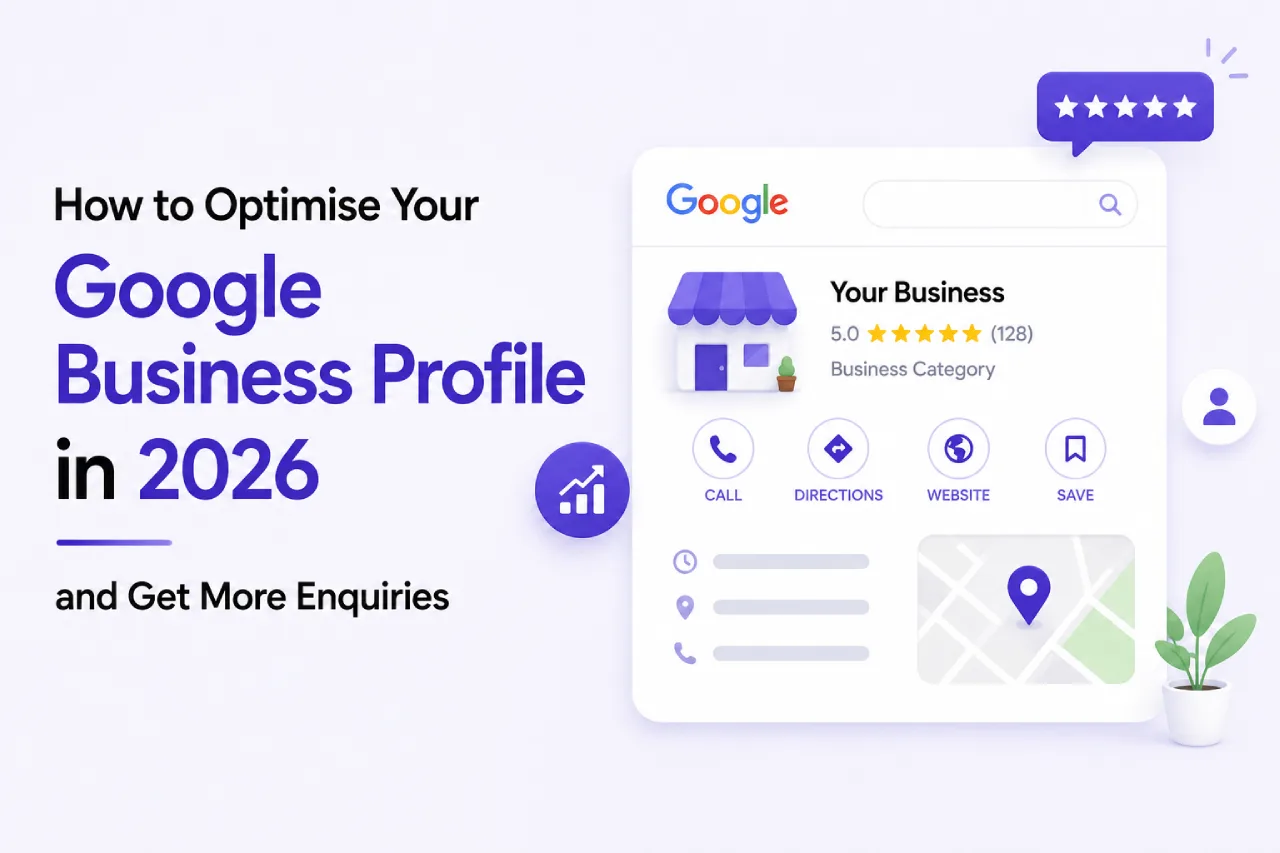
Your Google Business Profile is honestly the highest-leverage marketing asset most SMEs already own, and roughly nobody is actually using it properly. Have a look at any competitor sitting a few miles from you in Belfast. The chances are that their profile is only half-finished. It probably has not been updated in months. There will be maybe three photos on it taken in bad lighting sometime back in 2021, and yet somehow the whole thing still ranks in the map pack because nobody else in that category has bothered to optimise theirs either. The gap between what a properly managed profile can genuinely achieve, versus what most businesses actually do with theirs, is where a huge amount of low-hanging local traffic is quietly waiting.
Google Business Profile has honestly changed quite a bit across the past couple of years, and a fair chunk of the advice floating around the internet on it is now genuinely out of date. AI-powered search results now pull directly from your profile data at the source. On top of that, review recency counts for meaningfully more than it used to, and post frequency has quietly started mattering in a way it never really did before. What follows is a practical 2026 guide to properly optimising your profile, written for SME owners in plain terms instead of the way SEO specialists talk about this. It ends with clear actions you can work through this week.
Why Google Business Profile Matters More in 2026 Than It Ever Did
Every year for the past decade or so, somebody has quietly predicted that GBP is about to become less important. Every one of those years, the platform has ended up becoming more important instead. The specific shift happening across 2026 is worth genuinely understanding, since it changes the payoff on doing the optimisation work properly.
AI Search Pulls Directly From Business Profile Data
When somebody asks ChatGPT or Google’s AI Overview for a “good electrician in Belfast”, the AI does not invent an answer from thin air. It reads structured data, and Business Profile data sits near the top of what it reads. Businesses with fully completed profiles, decent reviews, and consistent activity are the ones being recommended in these AI answers. Businesses with half-finished profiles are essentially invisible to that entire new category of search.
The Map Pack Still Dominates Local Intent
For all the noise about AI search, the traditional three-result map pack still handles the majority of local commercial queries in Northern Ireland. When somebody types “hairdresser near me” into their phone, those three map pack results catch the click before the classic search results underneath ever get seen. Your Business Profile is what earns you a spot in those three results.
Getting the Basics Genuinely Complete
This is the part most businesses think they have already done, and the part most businesses have not quite finished. Google’s ranking algorithm gives real weight to profile completeness, and half-completed profiles quietly underperform ones filled in properly.
Every Available Field Wants Filling In
Business name, address, and phone number are the obvious ones, and yet the ones consistently fumbled by SMEs when the address changes or the phone number gets a new prefix and the profile never catches up. Beyond those, opening hours need to reflect reality including bank holidays, service areas need setting properly for businesses that travel to clients, and the business description needs to actually describe what you do in the terms customers actually search for. Missing any of these hurts more than most owners realise.
The Primary Category Carries More Weight Than Anything Else
This is honestly the single most important field on the profile, and it happens to be the one most businesses get quietly wrong through picking something either too generic for their business, or somehow too specific. Take a hairdresser as an example. They really want to be listed under “Hair Salon” instead of the more generic “Beauty Salon”, because Google treats those two categories very differently for ranking purposes. A physiotherapist working specifically on musculoskeletal treatment is another example. That business fits properly under “Physical Therapy Clinic” and not under the broader “Health” option. Getting this one field genuinely right can shift local rankings meaningfully inside a few weeks.
The Secondary Categories Nobody Bothers With
You can add up to nine additional categories beyond the primary one. Most businesses ignore this entirely. Adding relevant secondary categories tells Google about the range of services you offer, and starts you ranking for related searches you would otherwise miss. A restaurant might add “Wine Bar” or “Takeaway” as secondaries. A beauty salon might add “Nail Salon” as a secondary, alongside something like “Waxing Hair Removal Service” sitting in there too. These extra categories do quiet work in the background, even at moments when nobody in the business is actively thinking about them.
Photos Do More Work Than Most Owners Realise
Photos on your profile are one of the most underrated ranking factors, and one of the biggest drivers of whether searchers actually click through once they see you in results. Businesses with genuinely comprehensive photo libraries consistently outperform ones running on three tired stock images from the initial setup.
The Categories of Photo That Actually Matter
Google expects to see photos across a few different types on any active profile, and the profiles carrying balanced coverage across those types rank better than the ones heavily loaded in one area. Exterior shots showing what the premises actually look like from the street matter a lot for helping searchers find you. Interior shots build trust with somebody deciding whether to walk through the door in the first place. Photos of the team or the actual work being done create a human connection that generic stock imagery never quite manages. Product or service photos give context on what customers can expect once they arrive. Getting reasonable coverage across all of these is the real goal.
Fresh Photos Signal Active Business
Adding new photos every month signals to Google that the business is genuinely active and being properly maintained on the platform, which quietly nudges the rankings upward over time. A profile that has not seen a new photo in eighteen months signals essentially the opposite. Google then adjusts the rankings on that profile downward accordingly. This is honestly one of the easier quick wins in the whole optimisation process. It also happens to be one of the most consistently ignored ones among busy SME owners.
The Review Dynamics Nobody Quite Explains Properly
Reviews are genuinely the most powerful lever available on a Business Profile, and the mechanics behind them changed in ways that most guides are still slow to reflect. Getting reviews right in 2026 genuinely means understanding what Google actually cares about now. What it cares about today is not always the same thing it cared about a couple of years back.
Review Recency Now Weighs More Than Quantity
A business with fifty reviews across the past twelve months honestly outranks a business sitting on two hundred reviews that stopped coming in about two years ago. Google reads those older reviews as a signal that customer interaction has essentially dried up on this business. Historically that pattern has been a fairly reliable proxy for a business quietly struggling. Building a steady drip of fresh reviews coming in is now much more valuable than sitting on a big historical count that no longer grows.
Responding to Every Review Genuinely Matters
This one used to be optional. It really is not any more. Google explicitly weights response rates as part of its ranking calculation, and responding to every review, positive and negative, within a few days signals engagement to both the algorithm and future customers reading through. Even a short “thank you for taking the time” on a five-star review honestly still does real work here. Meanwhile, a thoughtful reply to a critical review often ends up doing more good than the original review itself did damage.
How to Actually Get Reviews Without Feeling Awkward
The businesses that succeed on reviews build a systematic ask into how they finish jobs. A quick spoken request at the moment the service ends, followed by a text or email with the direct review link, converts dramatically better than the vague “please review us” mentioned once and forgotten. Belfast SMEs building this into their process typically see review counts double within a quarter, which shifts rankings noticeably.
Posts, Updates, and Signalling Ongoing Activity
The Posts feature inside Google Business Profile is honestly one of those tools Google keeps quietly emphasising in every update. Most business owners keep quietly ignoring it just as consistently. Weekly posting produces genuine ranking and click-through benefits, particularly on profiles that had previously been sitting dormant.
Posts really do not have to be complicated. What you post might be a short update about a new service you are launching, or a photo of some recent work paired with a two-sentence caption underneath. Some weeks it could be a time-sensitive offer carrying an obvious call to action, or just something genuinely useful for the person actually searching. The posts appear on the profile itself, and occasionally show up in the local search results too, giving you extra real estate in front of exactly the people already looking for your kind of business. Set aside twenty minutes every Monday morning, and this whole task becomes trivial to sustain over time.
Actually Using the Insights Tab to Improve
The Insights tab inside Business Profile shows you a few useful things at once. Which searches actually surfaced your listing is the first. It also shows what people did after they found you, along with which photos or posts drove real actions. Most SMEs never look at any of this data. The ones who do actually check it end up with a genuine feedback loop on what is working on the profile. That loop lets them do more of whatever is landing well, and quietly stop putting effort into whatever is not moving the needle for them.
Pay particular attention to the search queries triggering your profile appearance, because those are the actual terms customers are using to find businesses like yours. Some will match what you expected. Some will surprise you and reveal opportunities you had not thought about. Adjust your services list and business description over time to reflect what people are genuinely searching for, and rankings on those terms improve noticeably within a few weeks.
How Creative Sweet Helps SMEs With Google Business Profile
We manage Google Business Profile optimisation as part of local SEO work for businesses right across Belfast and Northern Ireland. The approach we take on this genuinely starts with an honest audit of where the profile is sitting right now. Pretending an already-good profile needs a full rebuild is honestly a waste of the client\’s time and money.
For most SMEs we work with, the highest-leverage improvements end up sitting inside just a handful of specific areas. Category selection is one place where the setup is often just wrong to start with. Review generation on many profiles is happening haphazardly, if it is happening at all. The photos on the profile are frequently outdated by a year or more, and the Posts feature is typically not being used at all. Fixing those four categories generally shifts a profile meaningfully across one or two quarters, with the improvements compounding quietly from there onward.
If your Business Profile is quietly underperforming, or you have honestly never put proper attention on it and want that changed, this is a worthwhile conversation to have. Get in touch at creativesweet.net or book yourself in for a free discovery call. We can take an honest look at where the profile is sitting today, and give you a straight recommendation on what would move the needle for your specific business.
Frequently Asked Questions About Google Business Profile in 2026
What is Google Business Profile and why does it matter in 2026?
Google Business Profile is the free business listing that shows up in Google Maps, alongside the local search results section sitting above traditional search listings. It matters honestly more than ever in 2026. AI-powered search is now pulling answers directly out of Business Profile data on a huge scale. A properly optimised profile feeds into your traditional local rankings, and it also feeds into the AI-generated answers appearing on top of those rankings.
How long does Google Business Profile optimisation take to show results?
Most businesses honestly see meaningful ranking improvements somewhere in the four to eight week window after a proper optimisation pass. The review-driven improvements keep compounding for months afterwards on top of that. Businesses starting from a genuinely neglected profile tend to see faster initial gains than more established ones do. There is simply more low-hanging fruit sitting there waiting to be fixed.
Do I need to post on Google Business Profile every week?
Weekly posting is honestly the sweet spot for most SME businesses on this. Posts signal active profile management to Google, and they give searchers timely information about what is happening in your business right now. Monthly posting is a workable minimum, though the results from that tend to be noticeably weaker than weekly.
How do reviews affect Google Business Profile rankings?
Reviews influence both your ranking and your click-through rate significantly. Recency now matters as much as sheer quantity, which means a business receiving steady fresh reviews typically outranks one with more reviews that have stopped coming in. Responding to every review that lands adds a further ranking benefit on top.
Can Creative Sweet manage my Google Business Profile?
Yes. Creative Sweet manages Google Business Profile optimisation as part of local SEO work for businesses right across Belfast and Northern Ireland. Get in touch at creativesweet.net to discuss what your business currently needs.


Keep reading
- SEO
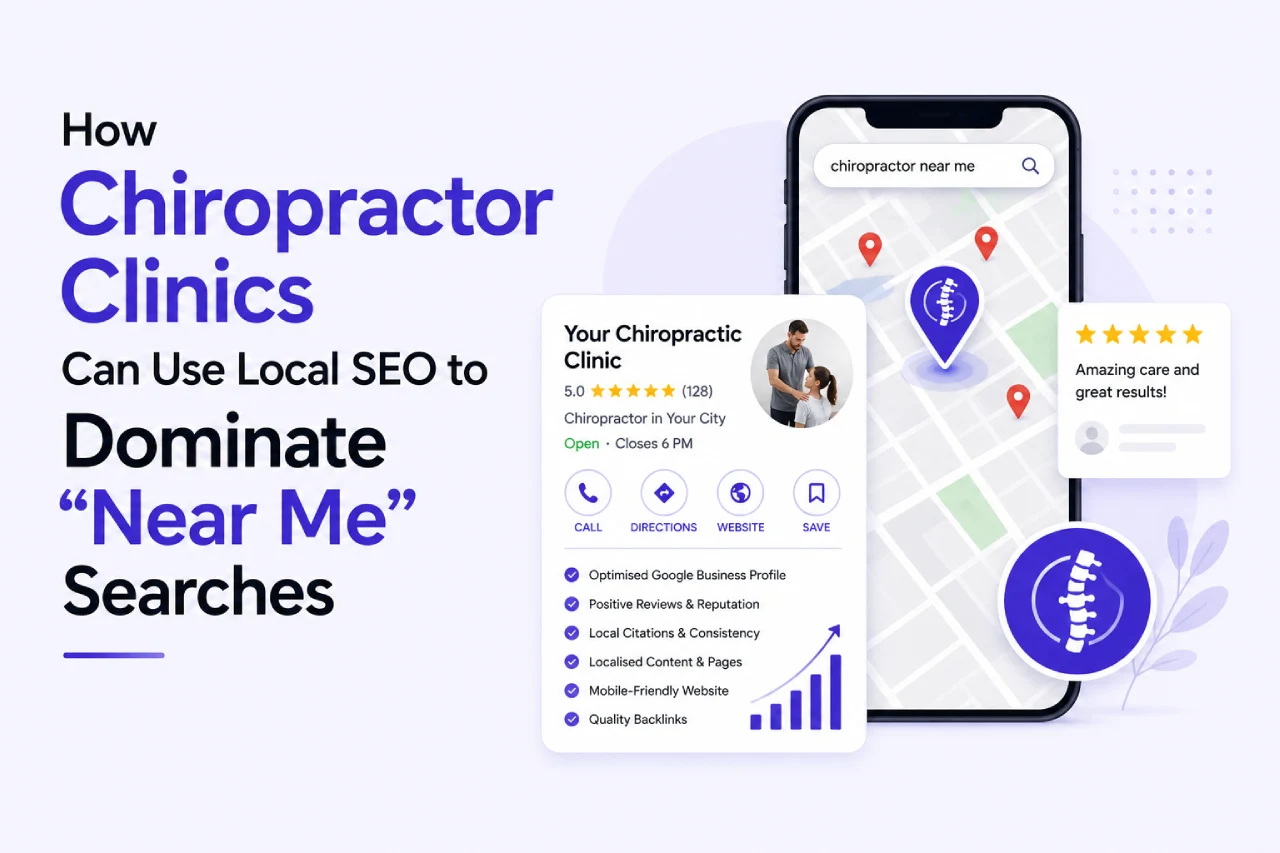
Somebody in Belfast wakes up on a Tuesday morning with lower back pain that has...
- WordPress
This post is general educational guidance for SME website owners and does not constitute legal...
- AI, WordPress
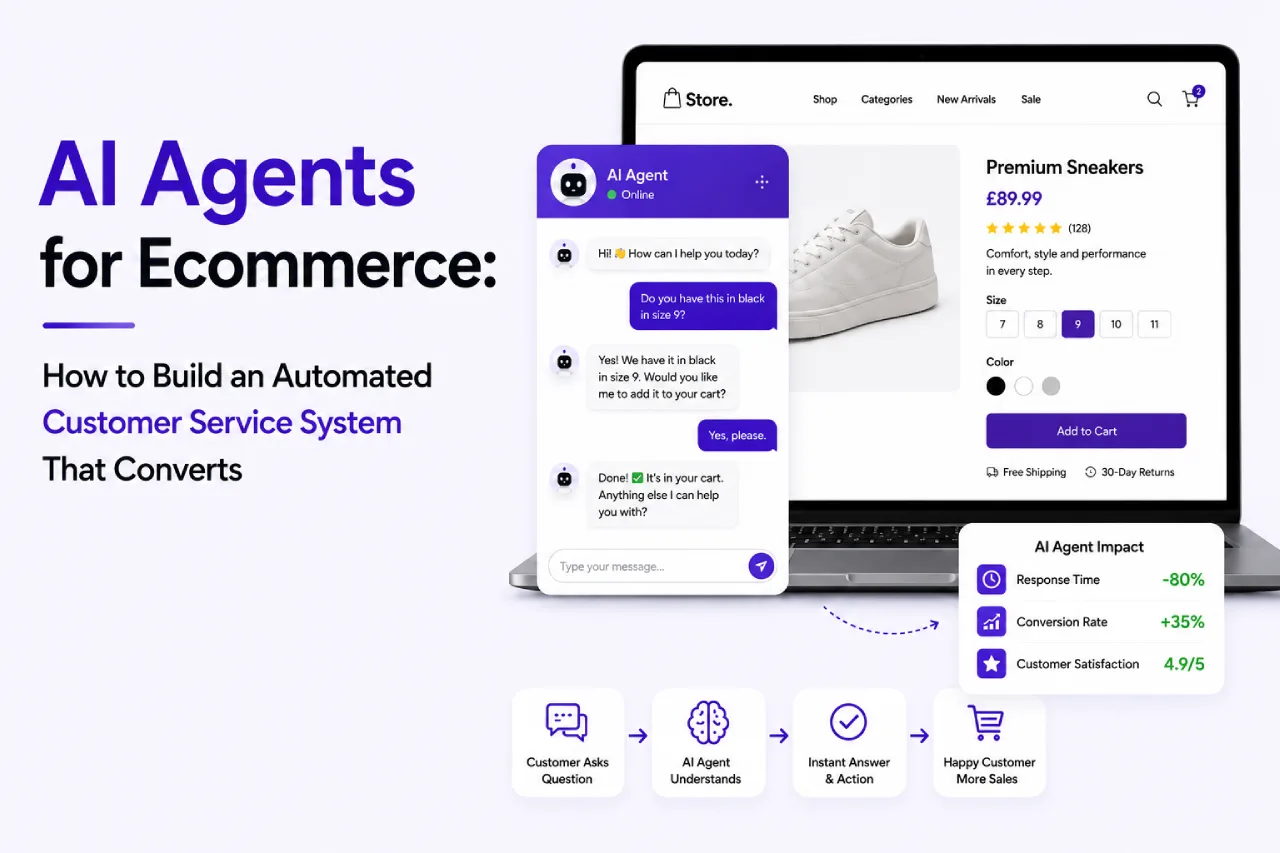
Ecommerce customer service has quietly become one of the biggest cost centres for growing online...